Troubleshooting: Dryer Taking Too Long to Dry Clothes
When your dryer begins taking an inordinate amount of time to complete its task, it is not merely an inconvenience; it suggests an underlying issue impeding its efficiency. This situation warrants investigation to avert potential damage to the appliance, excessive energy consumption, and, in some cases, fire hazards. This article delineates common causes of prolonged drying cycles and provides structured troubleshooting steps to diagnose and rectify these problems.
The most frequent culprit behind a dryer’s inefficiency is compromised airflow. A dryer operates by circulating heated air through the wet garments, absorbing moisture, and then expelling that moisture-laden air externally. Any obstruction in this pathway acts like a dam, preventing the effective removal of humidity and thus prolonging the drying process.
The Lint Screen: Your First Line of Defense
You are often advised, and rightly so, to clean the lint screen before or after every load. This fine mesh screen is designed to capture textile fibers shed during tumbling. However, over time, a fine, almost imperceptible film of fabric softener residue can accumulate on the screen, even if it appears clean. This film restricts airflow, much like a microscopic filter. To test this, remove the lint screen and run water through it. If the water pools on the screen instead of passing through immediately, it indicates residue buildup. You can remedy this by scrubbing the screen with a stiff brush and hot, soapy water.
The Vent Hose: A Hidden Constriction
Beyond the lint screen, the vent hose, which connects the dryer’s exhaust port to the wall duct, is another common site for lint accumulation. This hose is typically corrugated, providing numerous crevices where lint can settle and compact over time. You should periodically disconnect this hose from both the dryer and the wall. Inspect its interior for lint buildup. If significant accumulation is present, you can use a vacuum cleaner with a narrow attachment or a specialized vent brush to dislodge and remove it. Be mindful that plastic vent hoses are more prone to crushing and kinking than rigid metal ones, further exacerbating airflow issues. A kinked hose, regardless of lint, severely restricts exhaust.
The Wall Duct and Exterior Vent Cap: The External Bottleneck
The vent hose often connects to a rigid duct system embedded within the wall, which then terminates at an exterior vent cap or louver. Lint can accumulate within this wall duct, especially at bends or joints. Furthermore, the exterior vent cap, designed to prevent pests and weather elements from entering, can become clogged with lint, or its louvers might stick closed. Some exterior caps incorporate mesh screens, which, while effective against pests, are highly susceptible to becoming completely blocked by lint. You must regularly inspect and clean these external components. A long vent brush or a leaf blower can be effective tools for clearing the entire vent run from the outside in.
Assessing Laundry Condition: The Pre-Dryer Factor
Sometimes, the dryer itself is not the primary issue but rather an upstream problem originating from the washing machine. If clothes enter the dryer excessively wet, the dryer will naturally require more time to evaporate the heightened moisture content.
Overly Wet Clothes: A Washer’s Weakness
You can test for this by simply feeling the clothes after they complete their spin cycle in the washing machine. They should feel damp, not dripping wet. If your clothes consistently feel saturated, several issues with the washing machine might be at play. A common cause is a spin cycle that is not operating at its optimal speed or efficacy. This could be due to an unbalanced load during the wash cycle, a worn-out clutch mechanism, or a faulty motor. Another less common, but significant, issue could be a leaking water inlet valve in the washer, which might be allowing a small, continuous trickle of water into the tub during the spin cycle, effectively re-wetting the clothes. If you suspect your washer is contributing to the problem, consult your washer’s manual for troubleshooting its spin cycle or consider professional repair.
Optimizing Usage: Load Size and Settings
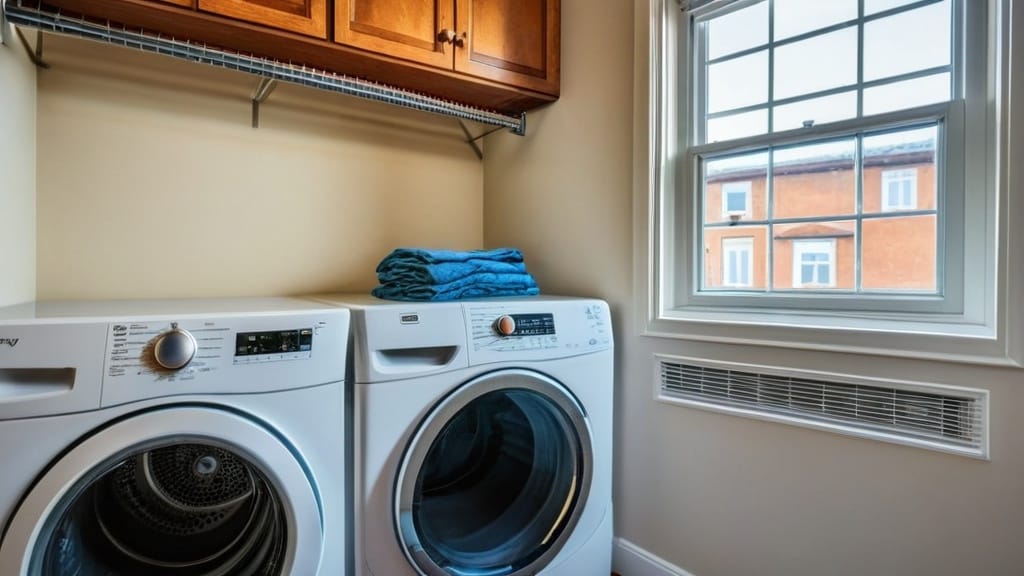
The way you load and operate your dryer significantly impacts its performance. Incorrect practices can lead to extended drying times, regardless of the dryer’s mechanical condition.
Incorrect Load Size: A Matter of Balance
You might be inclined to either overload your dryer to save time and energy or underload it with small items. Both extremes are counterproductive.
Overloading: The Cramped Chamber
An overloaded dryer is akin to a crowded elevator. There is insufficient space for the garments to tumble freely. Proper tumbling is crucial for even exposure to heated air and to allow the moisture-laden air to circulate away from the fabrics. When clothes are packed tightly, they form a dense mass, trapping moisture within. Consequently, the sensor, if present, might detect dampness on the outer layer of the mass and inaccurately extend the cycle, or portions of the load will simply remain damp.
Underloading: The Inefficient Tumble
Conversely, an underloaded dryer, particularly with very small items, can also present challenges. Many modern dryers rely on moisture sensors, which often consist of two metal strips inside the drum. The assumption is that tumbling clothes will periodically brush against these sensors, and the electrical conductivity between the strips will indicate the clothes’ moisture level. If the load is too small, the items may not consistently make contact with the sensors, leading the dryer to inaccurately perceive the clothes as dry and prematurely end the cycle, or conversely, continue running longer than necessary as it struggles to register the moisture. In such cases, using the “timed dry” setting, rather than automatic cycles, often yields better results.
Inappropriate Settings: A Mismatched Approach
Modern dryers offer various settings tailored to different fabric types and desired dryness levels. Using an incorrect setting can prolong drying times.
Wrong Cycle Selection: Too Cool for Comfort
Selecting a “delicate” or “air fluff” cycle for heavy cottons or towels will, predictably, result in a very long drying time, or no drying at all in the case of air fluff. These cycles operate at lower temperatures or without heat, to protect sensitive fabrics. You must select the appropriate high-heat or regular cycle for robust items.
Fabric Type Considerations: Moisture Retention Variability
Different fabrics retain moisture differently. Natural fibers like cotton and linen generally hold more water and take longer to dry than synthetic fibers like polyester or nylon. Mixing these fabric types in a single load can lead to uneven drying, with synthetics drying quickly while cottons remain damp, or the entire load running longer to accommodate the cottons. Separating laundry by fabric type can significantly improve drying efficiency.
Diagnosing Component Failure: Internal Malfunctions
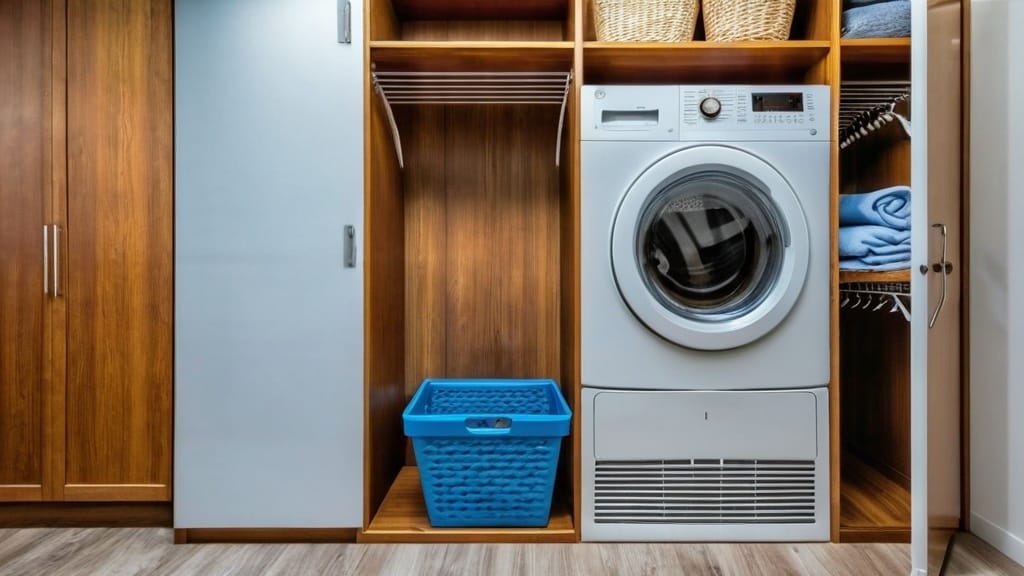
While airflow and usage are common culprits, internal mechanical or electrical failures can also lead to a dryer taking too long to dry. These issues often require more technical expertise to diagnose.
The Heating Element: The Heart of the Heat
The heating element is responsible for generating the hot air within the dryer. If this component is partially failing or completely burned out, the dryer will still tumble, but without sufficient heat, drying will be significantly extended or cease altogether. You can usually test for heat by opening the dryer door a minute or two into a heat cycle; you should feel distinct warmth. If the dryer runs but produces no heat, a burned-out heating element is a strong possibility. This typically requires a multimeter to test for continuity across the element’s terminals.
The Blower Wheel: The Air Mover
The blower wheel, or fan, is crucial for moving air through the dryer and out the exhaust vent. If the blower wheel is damaged, loose, or obstructed, its ability to move air effectively will be compromised. A weak airflow, even with a clear vent system, will result in poor drying performance. You might notice a change in the dryer’s operational sound or a noticeably weaker airflow at the exterior vent if the blower wheel is at fault. Testing this often involves opening the dryer cabinet and visually inspecting the wheel for damage or obstructions.
Moisture Sensors: The Dryer’s Perception
As mentioned previously, many modern dryers employ moisture sensors to determine when clothes are dry and to automatically shut off. If these sensors become fouled with fabric softener residue, mineral deposits from hard water, or if they are simply malfunctioning, they might inaccurately detect moisture levels. This can lead to the dryer shutting off prematurely while clothes are still damp, or conversely, running indefinitely because it never registers that the clothes are dry. Cleaning the sensors with a cotton swab and rubbing alcohol can resolve residue issues. If cleaning does not help, testing for electrical continuity or replacement may be necessary.
Other Contributing Factors: Miscellaneous Considerations
| Possible Cause | Description | Impact on Drying Time | Suggested Solution |
|---|---|---|---|
| Clogged Lint Filter | Lint buildup restricts airflow inside the dryer. | Increases drying time by up to 50% | Clean lint filter before every load |
| Blocked Vent Hose | Vent hose clogged with lint or debris reduces air circulation. | Can double drying time | Inspect and clean vent hose regularly |
| Overloading Dryer | Too many clothes reduce air flow and heat distribution. | Increases drying time by 30-40% | Dry smaller loads |
| Faulty Heating Element | Heating element not producing enough heat. | Significantly increases drying time or no drying | Replace heating element |
| Moisture Sensor Malfunction | Sensor fails to detect moisture levels accurately. | Dryer may run longer than necessary | Clean or replace moisture sensor |
| Incorrect Dryer Settings | Using low heat or delicate cycle for heavy fabrics. | Extends drying time | Use appropriate heat and cycle settings |
| Cold or Humid Environment | Ambient conditions reduce drying efficiency. | Increases drying time | Improve room ventilation or use dehumidifier |
Beyond the main categories, several other elements can contribute to extended drying times.
Crushed Vent Hose: A Hidden Hazard
Even if you have cleaned your dryer’s vent hose of lint, its physical integrity is paramount. A vent hose, particularly a flexible foil or plastic one, can become accidentally crushed or kinked if the dryer is pushed too close to the wall or moved carelessly. This restriction, even without lint, will severely impede airflow. You should periodically pull the dryer away from the wall and inspect the entire length of the vent hose for any signs of crushing, kinking, or damage. Replacing a damaged flexible hose with a rigid metal duct is often a more durable and safer solution.
Power Supply Issues: Undercurrents of Underperformance
Electric dryers, especially larger capacity models, require a dedicated 240-volt electrical circuit. If your dryer is inadvertently plugged into a 120-volt circuit (which should be difficult due to differing plug configurations but can occur with adapters or incorrect wiring), or if there is an issue with one of the two electrical phases supplying the dryer, it will receive insufficient power to generate adequate heat. You might notice the drum tumbling, and perhaps even a weak amount of heat, but full power for rapid drying will be absent. This issue often manifests as the dryer taking an exceptionally long time to dry even small loads. For gas dryers, ensuring the gas supply valve is fully open and that there are no issues with the gas line is analogous.
Unlevel Dryer: A Minor but Persistent Irritant
While not directly causing extended drying times, an unlevel dryer can sometimes contribute to inefficient operation, particularly if it affects the dryer’s ability to maintain optimal heat distribution or if it puts undue stress on internal components. More critically, an unlevel dryer can cause excessive vibration, which might dislodge vent connections or contribute to lint buildup in unusual areas over time. You should ensure your dryer is level by adjusting its feet, using a spirit level as a guide.
Yearly Vent Exhaust Cleaning: A Preventative Measure
You should make it a routine to have the entire dryer exhaust system professionally cleaned at least once a year, or more frequently if you dry large volumes of lint-producing items (e.g., pet bedding, towels). This comprehensive cleaning addresses lint buildup not just in accessible areas but throughout the entire ductwork, including areas within walls that are difficult to reach with standard tools. Regular cleaning is not only for efficiency but also for safety, as lint is highly flammable.
By systematically addressing these potential issues, you can often diagnose and resolve the problem of a dryer taking too long to dry. Should these steps fail to identify the cause, or if you are uncomfortable performing internal component checks, professional appliance service is recommended.
FAQs
Why is my dryer taking too long to dry clothes?
A dryer may take too long to dry clothes due to clogged lint filters, blocked vent hoses, overloaded drum, or a malfunctioning heating element. Poor airflow and insufficient heat can significantly extend drying times.
How often should I clean the lint filter and vent hose?
It is recommended to clean the lint filter after every load to maintain proper airflow. The vent hose should be inspected and cleaned at least once a year to prevent blockages that can slow drying and pose fire hazards.
Can overloading the dryer affect drying time?
Yes, overloading the dryer reduces the space for clothes to tumble freely, which limits air circulation and increases drying time. For best results, dry smaller loads that allow clothes to move freely.
What role does the heating element play in drying efficiency?
The heating element generates the heat necessary to evaporate moisture from clothes. If it is faulty or damaged, the dryer may not heat properly, causing longer drying cycles or damp clothes.
When should I call a professional to inspect my dryer?
If cleaning the lint filter and vent hose, reducing load size, and checking the heating element do not improve drying times, or if you notice unusual noises, smells, or no heat, it is advisable to contact a professional technician for diagnosis and repair.